
Minikino
  • Home
  • SHORT FILMS
    Proses rekaman Audio Description di Minikino Studio bersama Komang Yuni (kanan) dan Edo Wulia pada 27/12/2025. Dok: Annabella Schnabel.

    Malam Sepanjang Nafas dan Sepanjang Pengisian AD

    Still film The Visit (1970) sutradara Kais Al-Zubaidi.

    The Visit (1970): Kunjungan Untuk Bertamu Atau Melayat?

    Alif Wants a Girl, Yuli Wants a Ride Still (2023) directed by Fazrie Permana

    Alif Wants a Girl, Yuli Wants a Ride, and I Want to Be Cringe and Be Free

    Rona Warna Raga: Tubuh yang Belajar Pulang

    Still Film La Perra (2023) dan Masterpiece Mommy (2024)

    Yang Hilang dan Ditemukan: Relasi Ibu dan Anak Perempuan dalam Film “La Perra” dan ‘Masterpiece Mommy”

    Still Film My Therapist Said, I'm Full of Sadness (2024) oleh Monica Vanesa Tedja

    Problematika SOGIESC dan Gender Dysphoria dalam Narasi Intim Monica tentang Penerimaan Keluarga

    Still Film Tutaha Subang (Indonesia, 2024) disutradarai Wulan Putri

    Mempertanyakan Tutaha Subang : Kami Sudah Berjuang, tapi Kami Hanya Perempuan?

    Still Film WAShhh (2024) directed by Mickey Lai, produced in Malaysia and Ireland

    WAShhh (2024): How Naturality was Forced to Be Masked with Neutrality

    Still Film Dia Pergi Dan Belum Kembali (2024) sutradara Riani Singgih, diproduksi di Indonesia

    Perlawanan dalam Ingatan Melalui Dokumenter Traces of My Brother

  • NOTES
  • INTERVIEWS
  • INTERNATIONAL
  • OPINION
  • ABOUT
No Result
View All Result
Minikino Articles
  • Home
  • SHORT FILMS
    Proses rekaman Audio Description di Minikino Studio bersama Komang Yuni (kanan) dan Edo Wulia pada 27/12/2025. Dok: Annabella Schnabel.

    Malam Sepanjang Nafas dan Sepanjang Pengisian AD

    Still film The Visit (1970) sutradara Kais Al-Zubaidi.

    The Visit (1970): Kunjungan Untuk Bertamu Atau Melayat?

    Alif Wants a Girl, Yuli Wants a Ride Still (2023) directed by Fazrie Permana

    Alif Wants a Girl, Yuli Wants a Ride, and I Want to Be Cringe and Be Free

    Rona Warna Raga: Tubuh yang Belajar Pulang

    Still Film La Perra (2023) dan Masterpiece Mommy (2024)

    Yang Hilang dan Ditemukan: Relasi Ibu dan Anak Perempuan dalam Film “La Perra” dan ‘Masterpiece Mommy”

    Still Film My Therapist Said, I'm Full of Sadness (2024) oleh Monica Vanesa Tedja

    Problematika SOGIESC dan Gender Dysphoria dalam Narasi Intim Monica tentang Penerimaan Keluarga

    Still Film Tutaha Subang (Indonesia, 2024) disutradarai Wulan Putri

    Mempertanyakan Tutaha Subang : Kami Sudah Berjuang, tapi Kami Hanya Perempuan?

    Still Film WAShhh (2024) directed by Mickey Lai, produced in Malaysia and Ireland

    WAShhh (2024): How Naturality was Forced to Be Masked with Neutrality

    Still Film Dia Pergi Dan Belum Kembali (2024) sutradara Riani Singgih, diproduksi di Indonesia

    Perlawanan dalam Ingatan Melalui Dokumenter Traces of My Brother

  • NOTES
  • INTERVIEWS
  • INTERNATIONAL
  • OPINION
  • ABOUT
No Result
View All Result
Minikino
No Result
View All Result
Home SHORT FILMS

WAShhh (2024): How Naturality was Forced to Be Masked with Neutrality

Cynthia Syukur Purwanto by Cynthia Syukur Purwanto
September 4, 2025
in SHORT FILMS
Reading Time: 5 mins read
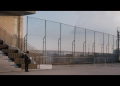
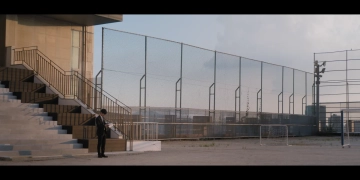
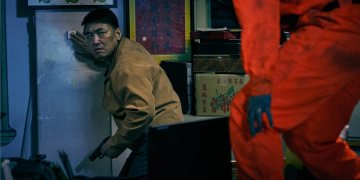
Still Film WAShhh (2024) directed by Mickey Lai, produced in Malaysia and Ireland

Still Film WAShhh (2024) directed by Mickey Lai, produced in Malaysia and Ireland

“Menstruation is the only blood that is not born from violence, yet it’s the one that disgusts you the most.” —Maia Schwartz

It hit me hard the first time I read the quote. As I searched my brain for any other kind of blood that isn’t born from violence, I found nothing. I was lucky since my school and my household provided me with the necessary knowledge regarding menstruation or sexual reproduction. However, it was not until a mandatory camping trip during my all-girls high school days, held at a military base camp, that I truly experienced something else. I still remember hearing a few of the military personnel, who consisted of mostly men, screaming at us outside the toilet, instructing us, “Take home all your used pads! Do not dump them in our trash, or the bad spirits will lick them!”

I complied, wrapping my used pads in paper and stashing them in my bag. But the moment stuck with me, not only did I think it was beyond unusual for a bunch of grown-ups, especially men, to tell teenage girls where to dump their own used pads. Yet it meant something else; they were not only telling us to be hygienic or be responsible for our trash, but the errand itself stems from the societal stigma surrounding menstruation, which unfortunately characterizes it as ‘dirty’ and ‘disgusting.’

Mickey Lai’s WAShhh (Malaysia, 2024) begins with a tense atmosphere as a jarring voice from a loudspeaker is heard. It was an order for the group, consisting of young girls, participating in the National Service Training Programme in Malaysia in the middle of the night; they are told to gather outside in 10 minutes. The voice is cold and demanding. The girls are nervous, discussing what was going to happen to them, which looks like it was not the typical roll call. Their commander, whose voice was heard earlier, confronts them and claims that one of the girls was possessed by “bad spirits” and blames the entire group for the incident.

Much like my high school camping experiences, we were taught that menstrual blood is impure, dangerous, and dirty. According to Girls in Control’s report of Compiled Findings from Studies on Menstrual Hygiene Management of Schoolgirls, they found that in Tanzania, young girls were instructed not to discard their used pads because their blood might attract malevolent spirits or be used in witchcraft, which could ultimately harm them. What is even more concerning is that in Taiwan, a menstruating woman was already considered vulnerable and an easy target for spirits and demons.

One major aspect of WAShhh that caught my eye was the use of black and white in the film. This artistic choice powerfully emphasizes society’s historical perception of menstruation: often forced into a single, generalized understanding. Later, we see the girls rummaging through the trash can as the commander orders them to clean and get rid of the “dirty blood” that is believed to be the cause of the possession case. The scenes unfold with the girls examining random used pads one by one.

A conversation with Mickey Lai at Locarno revealed the reasons behind the choice: she wanted the audience to focus on the character’s dynamics rather than the sight of blood. Doing so eventually reduces the shocking element and humanizes the situation. The second reason is due to the theme of racial conflict, seeing all the different characters from diverse backgrounds, Malay, Chinese, or Indian, with the help of the muted colors like this—it creates a sense of equality–we were not meant to see the aspects that creates one race, it is the connections that the characters build with each other.

Still Film WAShhh (2024) directed by Mickey Lai, produced in Malaysia and Ireland

My interpretation of the creative choice is that the black-and-white filter is a mask. What we were meant to see is this natural, red color liquid on the pads or the red-stained detergent water Jia Hui, the group leader, used to wash them. Instead, the color we see is what Mickey Lai intended: vague, neutral, no longer bright red, just black and white. If it’s your first time seeing menstrual blood, it could be any color, not necessarily red. 

The black and white imagery serves as a mirror for the society’s perception towards menstruation, viewed in harsh, black-and-white terms, what the society intended: as disgusting, dirty, and a sign of bad luck, even with it being a natural function of the body that one often would not choose to experience. They endure not only the physical pain and difficulties caused by menstruation but also the heavy burden of the constant intimidation from the stigma surrounding its existence.

Another major detail of the film is the role of the female commander, she serves as a meaningful depiction of the internalized stigma that has been going around for a long time. Despite potentially experiencing similar struggles to other women, she has absorbed the same beliefs that menstruation is dirty and spiritually dangerous. She has made use of them to oppress more, in a vicious cycle. The commander not only reflects how patriarchy is tied to this stigma, but also its deep roots in culture and society. Despite that, Jia Hui leads and holds the group together. She is the one who gives courage to the other girls and convinces them that she does not believe the superstitions. She represents the resistance towards the outdated stigmas of shame and control, and only through compassion could she achieve it. 

I found the stigma around menstruation really harsh—countless of us who experience it monthly must have gone through the terrors of the public’s own menace towards it. Whether or not the restraining practices are often implemented in your life, they are still deeply rooted in the culture, affecting how people view it. In the very least, we should recognize it for what it is: a natural, biological process as a very part of human beings. 

By the end of the day, we shall foster the environment where menstruation is seen as a healthy and fundamental part of life. Much like Jia Hui, through her compassion towards others, we must work on deconstructing the stigmas and replacing them with empathy, by making sure no one else has to experience it again through fear.

Editor: Natania Marcella

This film will be screened at the Minikino Film Week 11, Bali International Short Film Festival, from September 12 to 19, 2025, in the following program:
TWISTED
Saturday, September 13, 2025 – 11.30 at MASH Denpasar Art House Cinema
Monday, September 15, 2025 – 13.30 at Dharma Negara Alaya: Ruang Kelas B
Thursday, September 18, 2025 – 13.30 at Dharma Negara Alaya: Ruang Audio Visual
SX2025 MALAYSIA
Friday, September 12, 2025 – 19.30 at MASH Denpasar Art House Cinema
Sunday, September 14, 2025 – 17.30 at Alliance Française Bali
Visit minikino.org/filmweek to download the MFW11 digital catalog.
Tags: EnglishMFW11Mickey Laishort filmsWashhhWomen
ShareTweetShareSend
Previous Post

Perlawanan dalam Ingatan Melalui Dokumenter Traces of My Brother

Next Post

Alumni of Shorts Up and the Minikino Short Film Market: Journey and Impact

Cynthia Syukur Purwanto

Cynthia Syukur Purwanto

Cynthia is an International Relations student in Parahyangan Catholic University. A film enthusiast and has a hobby in writing. In her studies, she is the coordinator for the Film and Literature Analytical division in KSMPMI, a student-run International Relations Think Tank Organization, where she writes articles about film and books and connects it to International Relations issues.

Related Posts

Proses rekaman Audio Description di Minikino Studio bersama Komang Yuni (kanan) dan Edo Wulia pada 27/12/2025. Dok: Annabella Schnabel.

Malam Sepanjang Nafas dan Sepanjang Pengisian AD

January 12, 2026
Still film The Visit (1970) sutradara Kais Al-Zubaidi.

The Visit (1970): Kunjungan Untuk Bertamu Atau Melayat?

December 22, 2025
Alif Wants a Girl, Yuli Wants a Ride Still (2023) directed by Fazrie Permana

Alif Wants a Girl, Yuli Wants a Ride, and I Want to Be Cringe and Be Free

November 21, 2025

Rona Warna Raga: Tubuh yang Belajar Pulang

November 14, 2025
Still Film La Perra (2023) dan Masterpiece Mommy (2024)

Yang Hilang dan Ditemukan: Relasi Ibu dan Anak Perempuan dalam Film “La Perra” dan ‘Masterpiece Mommy”

October 20, 2025
Still Film My Therapist Said, I'm Full of Sadness (2024) oleh Monica Vanesa Tedja

Problematika SOGIESC dan Gender Dysphoria dalam Narasi Intim Monica tentang Penerimaan Keluarga

October 9, 2025

Discussion about this post

Archives

Kirim Tulisan

Siapapun boleh ikutan meramaikan halaman artikel di minikino.org.

Silahkan kirim artikel anda ke redaksi@minikino.org. Isinya bebas, mau berbagi, curhat, kritik, saran, asalkan masih dalam lingkup kegiatan-kegiatan yang dilakukan Minikino, film pendek dan budaya sinema, baik khusus atau secara umum. Agar halaman ini bisa menjadi catatan bersama untuk kerja yang lebih baik lagi ke depan.

ArticlesTerbaru

Proses rekaman Audio Description di Minikino Studio bersama Komang Yuni (kanan) dan Edo Wulia pada 27/12/2025. Dok: Annabella Schnabel.

Malam Sepanjang Nafas dan Sepanjang Pengisian AD

January 12, 2026
Still film The Visit (1970) sutradara Kais Al-Zubaidi.

The Visit (1970): Kunjungan Untuk Bertamu Atau Melayat?

December 22, 2025
Alif Wants a Girl, Yuli Wants a Ride Still (2023) directed by Fazrie Permana

Alif Wants a Girl, Yuli Wants a Ride, and I Want to Be Cringe and Be Free

November 21, 2025

Rona Warna Raga: Tubuh yang Belajar Pulang

November 14, 2025
Still Film 12 Moments Before Flag-Raising Ceremony (2025) arahan Zhizheng Qu

Berbagi Sentimen Tentang Jurang Generasi Bersama Owen Effendi dalam Kaitannya dengan 12 Moments Before Flag-Raising Ceremony (2025)

November 5, 2025

ABOUT MINIKINO

Minikino is an Indonesia’s short film festival organization with an international networking. We work throughout the year, arranging and organizing various forms of short film festivals and its supporting activities with their own sub-focus.

Recent Posts

  • Malam Sepanjang Nafas dan Sepanjang Pengisian AD
  • The Visit (1970): Kunjungan Untuk Bertamu Atau Melayat?
  • Alif Wants a Girl, Yuli Wants a Ride, and I Want to Be Cringe and Be Free
  • Rona Warna Raga: Tubuh yang Belajar Pulang
  • Berbagi Sentimen Tentang Jurang Generasi Bersama Owen Effendi dalam Kaitannya dengan 12 Moments Before Flag-Raising Ceremony (2025)

CATEGORIES

  • ARTICLES
  • INTERVIEWS
  • NOTES
  • OPINION
  • PODCAST
  • SHORT FILMS
  • VIDEO

Minikino Film Week 10

  • MINIKINO.ORG
  • FILM WEEK
  • INDONESIA RAJA
  • BEGADANG

© 2021 Minikino | Yayasan Kino Media

Welcome Back!

Login to your account below

Forgotten Password?

Retrieve your password

Please enter your username or email address to reset your password.

Log In

Add New Playlist

No Result
View All Result
  • Home
  • SHORT FILMS
  • NOTES
  • INTERVIEWS
  • INTERNATIONAL
  • OPINION
  • ABOUT

© 2021 Minikino | Yayasan Kino Media